Quick answer: To increase high school reunion attendance, contact as much of the graduating class as possible, announce the date early, show classmates who is coming, keep the price accessible, and follow up repeatedly with a simple online registration link. The biggest mistake is treating one Facebook post or one invitation as a complete outreach plan.
Why turnout starts with reach, not decorations
A terrific venue cannot compensate for a classmate who never hears about the reunion. Begin with the yearbook roster, then track each person as located, contacted, interested, registered, declined, or not yet reached. Keep those categories separate. A Facebook group may be lively but still miss classmates who rarely use social media, have changed names, or never joined the group.
Assign outreach by social circle. Former teammates, club members, and friends often know different people. A committee of three to five classmates representing different circles can cover more ground than one highly motivated chair.
Announce the essentials before every detail is final
Share the school, class year, date, city, and a clear way to get updates as soon as they are dependable. A save-the-date does not require a finalized menu or entertainment schedule. For a major 40th or 50th reunion, give travelers ample time to make arrangements.
Ask classmates to confirm their preferred email address, not just click 'interested' on social media. That turns informal enthusiasm into a reachable list.
Give people a reason to come that is bigger than dinner
The strongest draw is usually other classmates. With permission, share yearbook photos, brief classmate updates, memories, and a growing list of registered attendees. A 'who's coming' page is more persuasive than a generic flyer because it helps people picture the evening. Avoid publishing private contact information or attendance details without consent.
Not everyone remembers high school fondly. Use welcoming language, avoid insider jokes that exclude people, and emphasize reconnecting without pressure.
Use a practical, multi-touch outreach sequence
Start with a save-the-date and an invitation with one registration link. Follow with a classmate spotlight, a 'who's coming' update, a price-deadline reminder, and a final logistical reminder. Reach classmates through email, personal messages, alumni networks, and a mailed notice where electronic contact is missing.
Send a different message to people who have already purchased. They need directions and excitement, not repeated demands to buy. People who have not purchased can receive friendly reminders and deadline notices. Keep opt-outs and communication preferences respected.
Make buying a ticket the easiest part
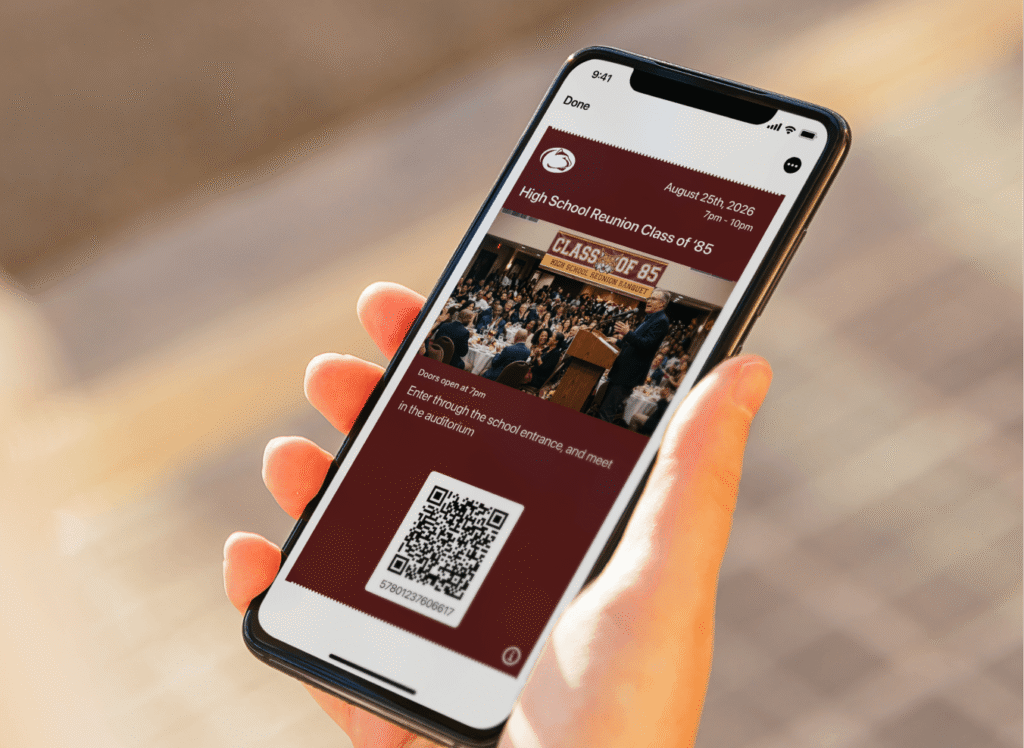
Use a mobile-friendly checkout that shows the date, location, what is included, ticket price, guest policy, refund terms, and confirmation. Avoid asking people to print a form, write a check, find an envelope, and hope a volunteer records it correctly. A paid registration is a firmer planning signal than an RSVP alone.
Set an early-bird deadline to help cover venue deposits, then a clearly communicated standard price for the main selling period. Any final deadline should be tied to catering counts and real logistics, not artificial pressure.
Measure the numbers that actually improve attendance
Review four counts weekly: classmates on the original roster, classmates with a verified contact channel, classmates reached, and paid attendees. Calculate reach rate as classmates reached divided by classmates on the roster. Calculate paid conversion as paid classmates divided by reached classmates. Also track guests separately so you do not confuse classmate participation with total meals ordered.
If reach is low, invest in locating people. If reach is high but purchases are low, revisit value, pricing, timing, and the ease of checkout.
A sample six-message reunion outreach plan
- Save the date: 'Our Class of [Year] reunion is happening [Date]. Please update your email so you receive the invitation.'
- Registration opens: 'Tickets are available. Here's what the evening includes.'
- Social proof: 'See classmates who have already signed up.'
- Memory prompt: 'Remember this photo? Share it with a classmate we haven't reached.'
- Early-bird deadline: 'The lower ticket price ends [Date].'
- Final headcount: 'Catering numbers close [Date]. Register by then.'
Frequently asked questions
How do you get people excited about a high school reunion?
Show familiar faces, class memories, and an opt-in list of classmates attending. Make the event feel welcoming rather than exclusive.
When should reunion invitations go out?
Send a save-the-date as early as practical, ideally many months before a milestone reunion, then open registration once the venue and budget are settled.
Is Facebook enough to promote a class reunion?
No. It can help, but use email, direct personal outreach, alumni networks, and mail for classmates without reliable digital contact.
What is a good high school reunion attendance rate?
There is no universal rate. Class size, time since graduation, travel distance, price, and the percentage of classmates actually reached all affect turnout. Track your own reach and paid registrations instead of relying on a single benchmark.
Should we show who has registered?
Yes, if classmates agree to be listed. A consent-based attendee list can encourage friends to join without exposing private information.
A simpler way to plan your reunion
ReunionDB helps committees locate classmates, manage outreach, display classmate profiles and registration activity, and sell tickets online. Ask how its Reunion Planning Success Guarantee applies to your event before making a commitment.